The history of lotteries may be tracked back again to old civilizations, such as the Chinese Han Dynasty and the Roman Empire, wherever they were applied as a method of increasing resources for different community tasks, like the structure of highways and infrastructure. Today, lotteries continue steadily to function as a supply of revenue for governments and charitable companies, with profits often earmarked for knowledge, healthcare, and different crucial services.Participating in a lottery is not only concerning the slender potential for earning; it’s also a social phenomenon that generates enjoyment, fuels desires, and fosters a sense of community. People usually have their own techniques for choosing figures, whether centered on birthdates, lucky numbers, or a just random approach. The expectation major up to and including draw, the adrenaline hurry once the figures are revealed, and the dreams of how living might change with a jackpot gain make lotteries an original kind of entertainment.
Nevertheless, there’s also important discussions around the integrity and social implications of lotteries. Authorities fight that they disproportionately influence lower-income people and can cause gaming addiction. Furthermore, the chances of winning in many cases are astronomically https://prediksidragon.org minimal, which makes it more of a form of leisure when compared to a real investment strategy. Despite these issues, the lottery stays a worldwide phenomenon, a testament to the enduring appeal of the possibility of a life-changing windfall. Whether one represents for fun, with wish inside their heart, or as a way to aid good causes, lotteries keep on to hold a outstanding position on earth of opportunity and fortune.
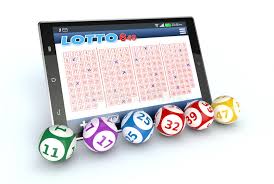
Lottery, a casino game of opportunity that has captivated individual imagination for centuries, embodies the tantalizing possibility of sudden and life-altering fortune. It stands as a beacon of hope, pulling countless players with desires of striking the jackpot and transforming their lives within an instant. At their primary, the lottery is a cultural trend, transcending regional and social boundaries, uniting people in the quest for dreams. Whether it’s the thrill of selecting a set of figures, scratching down a solution to show hidden treasures, or simply just watching the interesting pulling of winning numbers, the lottery sinks in to our deepest wishes for economic safety, adventure, and escape from life’s constraints.
Nevertheless, beneath the glitz and charisma of lotteries lies a complicated tapestry of odds and probabilities. While some visualize it as a safe diversion, the others criticize it as a regressive tax on the indegent, preying on prone folks who spend their hard-earned money in the slender hope of impressive it rich. The reports of lottery champions, who get from towels to riches in an instant, are awe-inspiring, yet in addition they raise issues concerning the psychological impact of quick wealth, the duty of handling enormous sums of income, and the prospect of unexpected challenges that accompany fortune.